How to Price Exotic Snacks for Profit (Markup Guide for Retailers)
By the Snacks Wholesale Pallets team ·
Exotic snacks and rare international beverages represent one of the fastest-growing impulse categories for convenience stores, smoke shops, specialty grocers, and independent resellers. Unlike domestic staples, where retail margins are compressed by aggressive supermarket discounting, imported goods offer a distinct novelty factor. Shoppers actively seek out flavors they discovered through social media trends, travel, or online communities, and they are willing to pay a premium for that discovery.
However, unlocking sustainable profitability requires more than arbitrarily doubling your wholesale acquisition cost. To build a thriving exotic snack program, retail store owners must understand landed costs, inventory turnover, retail psychology, and category tiering. This guide outlines how to price imported products to protect your margins while sustaining steady sales velocity.
Understanding Margin vs. Markup in Retail Snacking
Retail operators often confuse markup with gross margin, which can lead to miscalculated profit projections:
- Markup is the percentage added to your landed cost to establish the retail shelf price: `Markup = ((Retail Price - Unit Cost) / Unit Cost) * 100`.
- Gross Margin is the percentage of the final retail price that remains as profit after deducting product cost: `Gross Margin = ((Retail Price - Unit Cost) / Retail Price) * 100`.
In standard domestic convenience retail, typical snack margins hover between 25% and 35%. In contrast, imported goods in categories like chips and crisps routinely command markups between 50% and 120%, translating to healthy margins between 33% and 55%. Because exotic inventory is perceived as an affordable luxury or collectible experience, consumers do not benchmark these items against basic domestic grocery prices.
Calculating Your True Landed Cost per Unit
Setting an accurate markup begins with determining your true landed cost per retail unit. Because Snacks Wholesale Pallets supplies inventory wholesale in cases from Miami, Florida, your landed unit cost must include product cost plus your freight allocation.
Every wholesale case contains a predetermined number of individual retail units—often 24 drinks, 32 snack bags, or 40 packs. To establish your landed cost per unit:
- Start with the base wholesale cost of the case.
- Add the proportional shipping charge allocated to that case.
- Divide the total expenditure by the unit count inside the case.
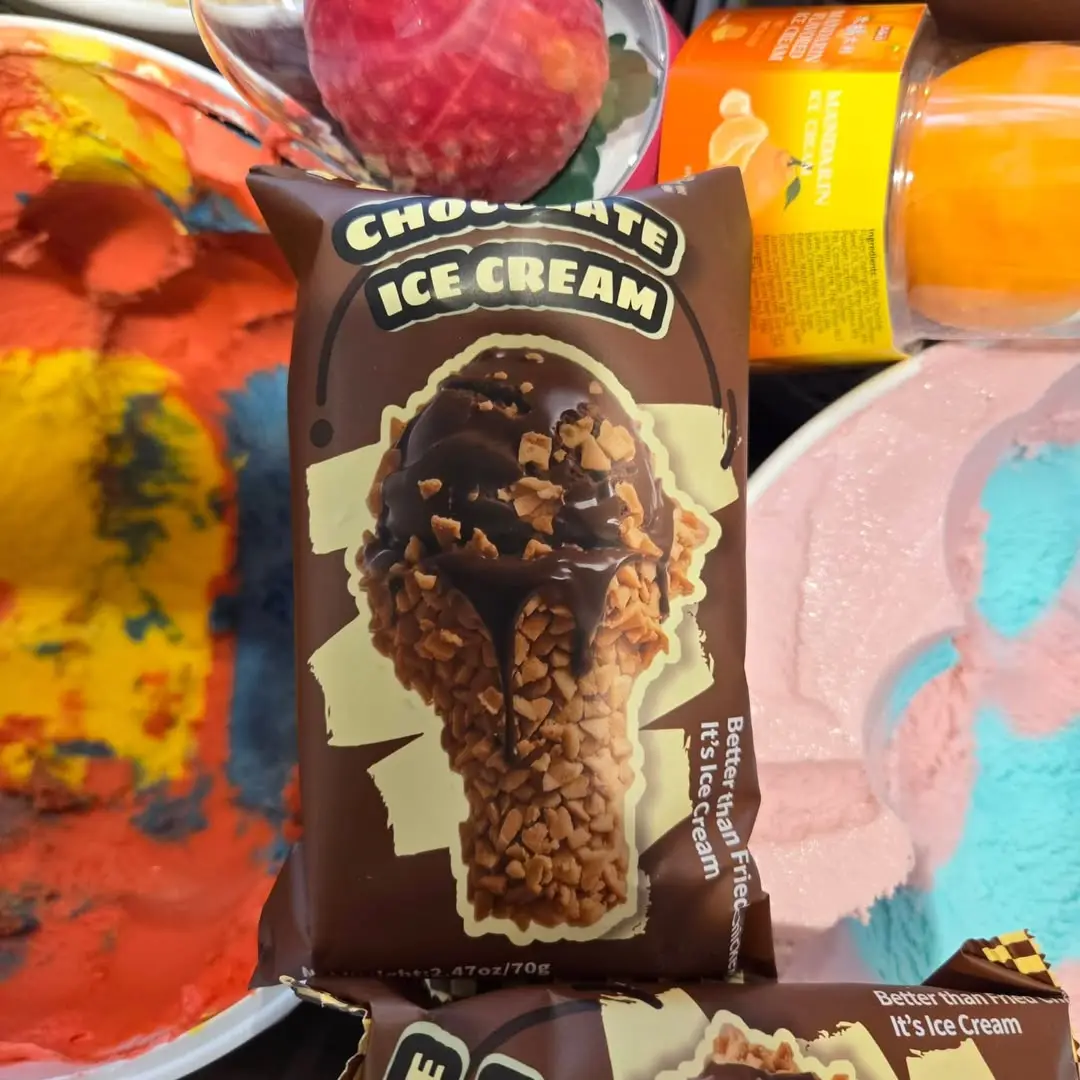
For example, if freight adds an average of twenty cents per retail unit, omitting that calculation erodes your net profit. This precision is especially important for items in our frozen lineup—such as premium imported ice cream like Propitious Ice Cream—which ship with specialized insulation and refrigerant packaging from Miami. Factoring in total delivery overhead ensures your pricing formula delivers the profit margin you planned.
A Three-Tier Markup Model for Exotic Inventory
Applying a blanket markup across your entire imported selection can unintentionally stall your inventory. High-velocity items generate steady cash flow, while ultra-rare novelty items provide margin spikes. Grouping your catalog into three tiers creates a balanced, high-performing display.
Tier 1: High-Velocity Regional Variations (45% to 65% Markup)
This tier includes globally known brands offering flavors exclusive to foreign markets. Customers recognize the brand immediately, making the purchase decision quick and effortless.
- Everyday Imports: Familiar snack names like Lay's featuring regional savory profiles such as Lays Chips.
- High-Demand Sodas: Refreshing sodas from our soft drinks and juices section, including foreign releases from Fanta.
- Strategy: Position these items at an accessible entry-level price. A 50% markup allows you to offer an attractive price point that still outperforms domestic snack margins.
Tier 2: Specialty Confections and Ramen (65% to 85% Markup)
Tier 2 products appeal to snack enthusiasts, younger demographics, and shoppers specifically hunting for distinctive international tastes.
- Gummies and Chews: Regional fruit varieties from our candy and gummies collection.
- Imported Sweets: Sweet confections from our chocolate aisle, including globally popular treats like Pocky Chocolate.
- Spicy Noodles: Cult-favorite meal options from our noodles and ramen catalog, notably Buldak Spicy Ramen - Rose.
- Strategy: Shoppers seeking these specific flavor profiles show lower price sensitivity. A 75% markup generates strong gross profit dollars per transaction without dampening sales.
Tier 3: Viral Trends and Collector Items (85% to 125%+ Markup)
Limited-edition collaborations, anime-themed packaging, and viral energy drinks belong in this high-margin bracket. Shoppers view these items as social media trends or collector pieces.
- Licensed Collaborations: Character-driven items such as Naruto Pink Salt Potato Chips.
- Pop-Culture Beverages: Rare drinks with heavy social appeal like the Squid Game Mango Energy Drink.
- Strategy: When an imported product is difficult to find elsewhere in your immediate market, demand is highly inelastic. Markups of 100% or more are easily supported.
Merchandising and Psychological Price Points
Raw mathematical formulas frequently produce awkward price tags like $3.14 or $4.67. Adjust your final numbers using tested retail price psychology:
- Charm Pricing: Rounding $3.68 up to $3.99 captures additional profit margin without affecting conversion rates.
- Round Dollar Increments for Convenience: In smoke shops and quick-stop locations, round price points like $3.00, $5.00, or "2 for $9.00" streamline cash transactions and encourage multiple-item purchases.
- Bundle Complementary Categories: Pair a savory item with an imported beverage. Offering a bundle like one spicy ramen and one cold specialty soda for a combined special price increases the total transaction size while protecting your margins.
Monitoring Sales Velocity to Avoid Stagnant Stock
Margin on paper only converts to actual profit when the inventory turns. Review your sales weekly to keep products moving:
- If a Tier 3 novelty item sells out within ten days, your initial markup may be too low. Test a higher price point on the next replenishment.
- If an item sits longer than 45 days, shift its shelf position toward the checkout counter or package it as a promotional buy-one-get-one-half-off deal to recover your invested capital.
Sourcing Wholesale Cases to Optimize Your Margins
Your retail profit margins ultimately depend on your purchasing efficiency. Snacks Wholesale Pallets, operated by FOOD SOLUTION INTERNATIONAL LLC in Miami, Florida, supplies retail businesses across the United States, Canada, and internationally with authentic imported inventory.
Orders require a simple minimum of 5 pallets (250 mixed cases, 50 cases per pallet), and you can mix and match sodas, savory snacks, confections, and ramen to tailor the exact inventory mix your store needs. Orders within the United States generally ship within 1 to 3 business days following payment confirmation and arrive in 2 to 6 business days. You can review detailed transit expectations on our shipping page.
Ready to elevate your snack selection and maximize your store profits? Take a moment to create a free wholesale account today to view our current catalog availability, review case configurations, and access wholesale pricing.